
Case · Banking
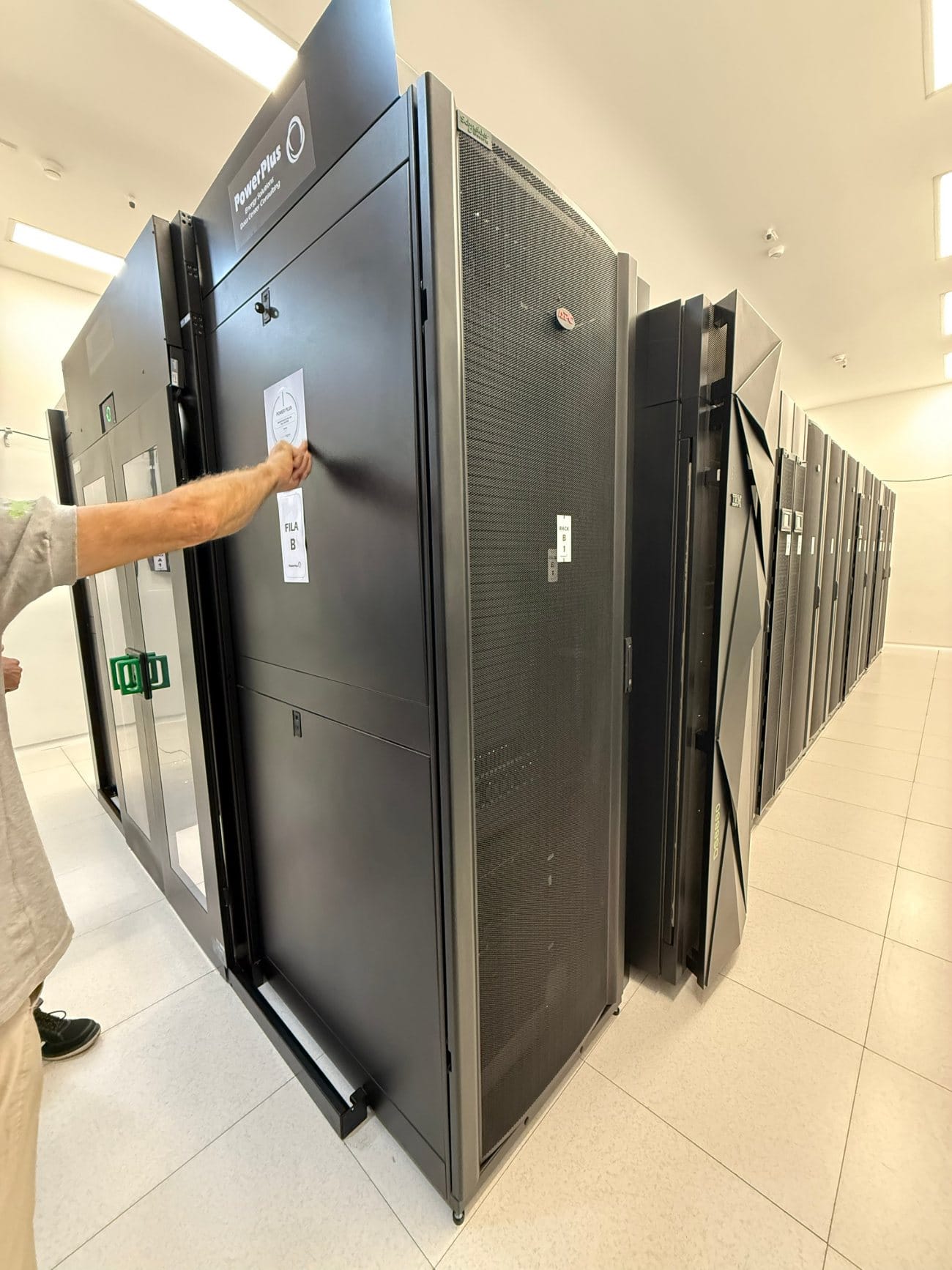
Turnkey Tier III data center
Design, construction, supply, installation and operation of the critical room of the most important provincial bank in Córdoba.
Continuity for data centers, power and mission-critical operations.
See critical infrastructurePhotovoltaic generation and storage to lower your energy bill.
See solar energyTurnkey projects that are still running with our team today.
See case studies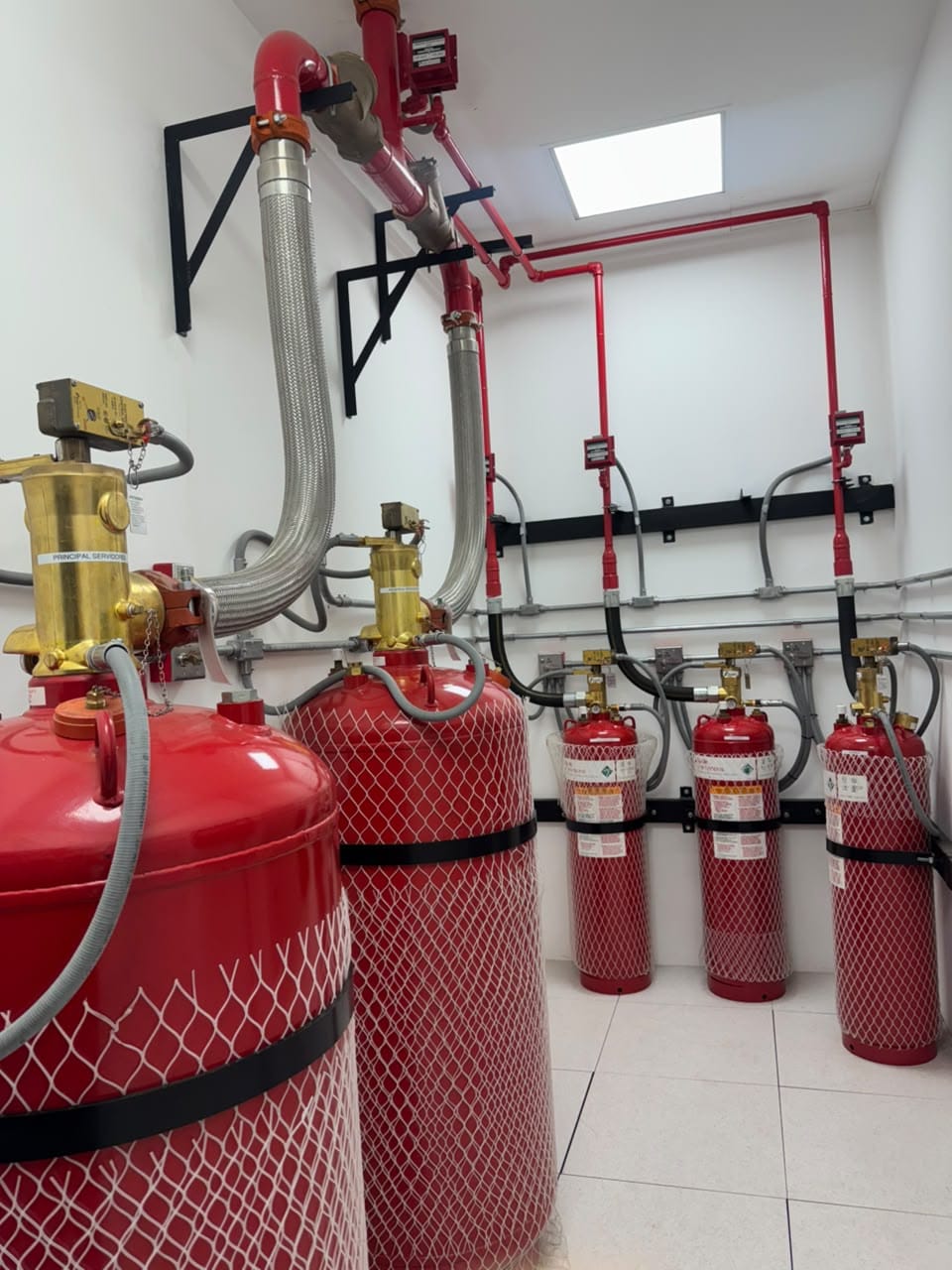
Critical infrastructure · Security and fire
Controlled access, video surveillance and early detection with clean-agent suppression, integrated into room monitoring.
We protect critical rooms with two layers: electronic physical security (access control, video surveillance and intrusion detection) and fire protection (very early aspirating smoke detection and automatic clean-agent suppression). A clean agent puts out fire without damaging electronic equipment—something water or powder cannot guarantee.
In an IT room, the goal is to detect a fire before there is a flame. Aspirating detection systems continuously sample the air and alert on smoke particles at very early stages.
If the event progresses, automatic clean-agent suppression floods the room and extinguishes the fire without leaving residue or damaging equipment, enabling a much faster return to operation.
At the banking data center we implemented Vesda and Notifier early detection with automatic 3M Novec 1230 clean-agent suppression. At Stellantis, the automatic clean-agent suppression system is integrated with each room’s early detection.
Scope
Continuous aspiration to alert before a flame appears.
Automatic suppression that doesn’t damage equipment.
Restricted, logged entry to critical areas.
Recording of entrances and sensitive areas.
Case studies
Case · Banking
Design, construction, supply, installation and operation of the critical room of the most important provincial bank in Córdoba.
Case · Automotive
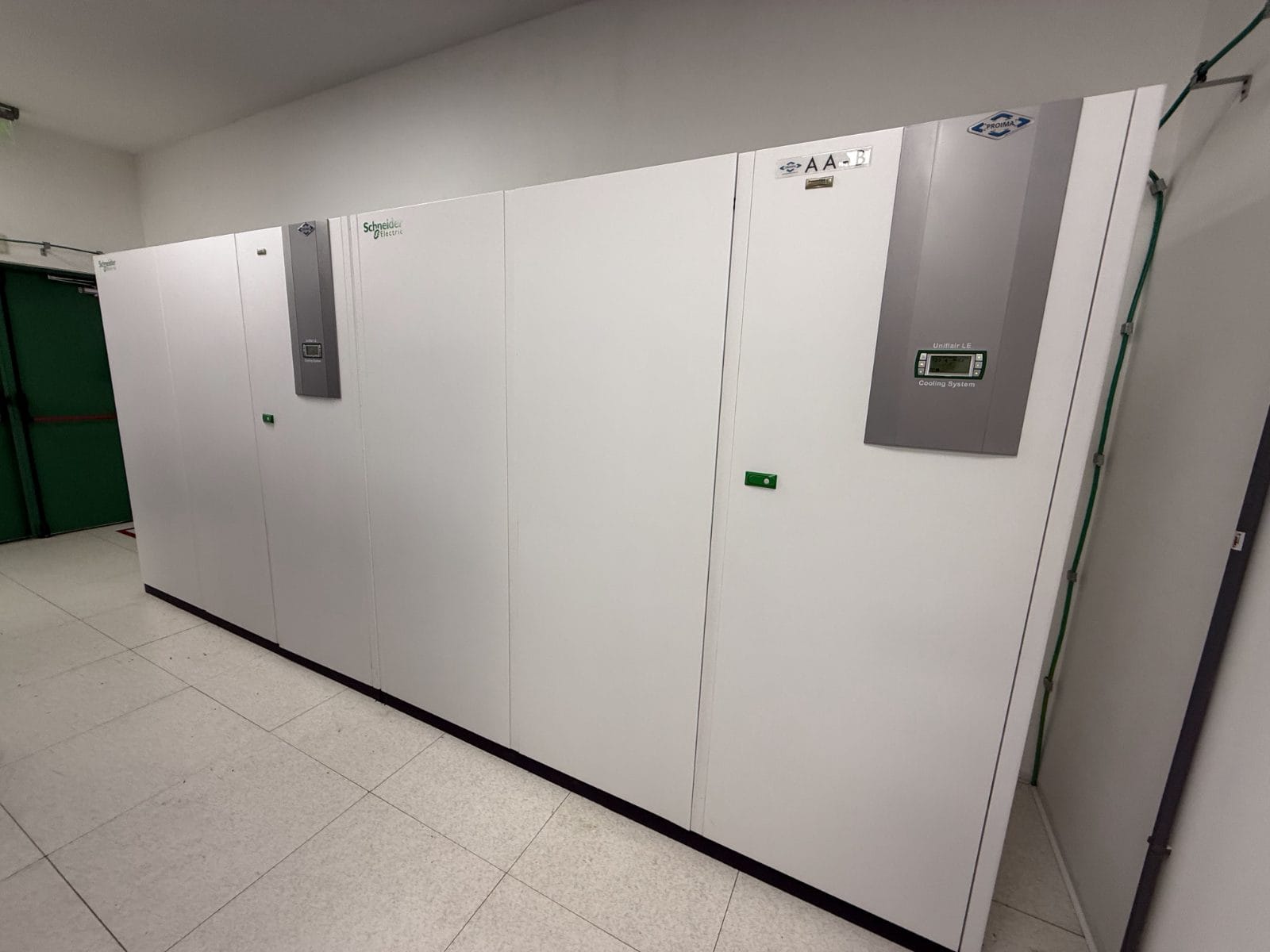
Five critical rooms across three data centers, with Schneider Electric’s official Advantage Service Plan.
Frequently asked questions
Can’t find your question?
 Ask us
Because water damages electronic equipment and prolongs downtime. Clean agents extinguish fire without residue, protecting equipment and speeding up recovery.
It detects smoke particles at very early stages, before a conventional detector reacts, giving time to act before suppression is triggered.
Yes. Detection, suppression and access alarms can be integrated into the monitoring platform for a single view of the room.
Critical infrastructure
We survey your room and propose a prioritized protection plan.

 WhatsApp